
Paragon Emergency Preparedness & Resident Safety Guide
What’s Inside
- Important Notice & Disclaimer
- Why This Guide Exists
- How Emergencies Are Managed in a Condominium
- Personal Preparedness - Emergency Survival Kit
- Fire Alarm & Fire‑Related Emergencies
- Water Leaks & Flooding
- Power Failure & Emergency Generators
- Elevator Entrapment
- Medical Emergencies & Personal Injury
- Earthquakes (Low Probability, High Impact)
- Severe Weather & Tornado Warnings
- Police‑Directed Lockdowns
- Working Together as One Community
- Frequently Asked Questions
Important Notice & Disclaimer
This guide is provided for general awareness, preparedness, and educational purposes only. It is intended to help residents understand common emergency situations in high‑rise condominium living and how they are typically managed.
- This document does not replace instructions from emergency services (Fire, Police, EMS) or direction from the Fire Department, Police Services, or local authorities.
- Neither the Board of Directors, Property Management, nor Paragon Security assumes responsibility or liability for personal decisions made by residents during an emergency.
- Building conditions, emergency severity, and official instructions may vary. Always follow the directions of emergency responders first.
By reading or relying on this guide, residents acknowledge that emergencies are unpredictable and that personal preparedness and judgment are essential.

Why This Guide Exists
High‑rise living offers comfort, convenience, and security, but it also comes with unique realities during emergencies. Residents often have the same questions during incidents:
- Should I evacuate or stay put?
- Why is security not knocking on every door?
- Why can’t elevators be used?
- What happens if I need help during a power outage?
- Who is actually in charge during an emergency?
These questions are rarely asked, until something happens.
This guide was developed to answer those questions in advance, reduce anxiety, and help residents make informed, calm decisions. It also reflects the professional standards and planning that Paragon brings to condominium communities as the leading concierge/ security provider in the GTA.
How Emergencies Are Managed in a Condominium
During emergencies, there is a clear chain of authority:
- Emergency Services (Fire, Police, EMS) – Take full control when on scene
- Fire Life Safety Systems – Automatically activate based on conditions
- Property Management & Building Systems – Support operations and communication
- Paragon Security & Concierge – Coordinate access, information flow, and on‑site support
Security personnel do not replace emergency responders. Their role is to: – Maintain access control – Monitor alarm panels and systems – Provide accurate information to authorities – Assist responders with access and logistics – Support residents when safe and appropriate

Personal Emergency Preparedness (What Residents Control)
Emergency Survival Kit (Suite‑Based)
Every resident should maintain a 72‑hour emergency kit inside their suite. Emergencies may limit elevators, power, water, or access to stores.
Recommended items:
- Drinking water (4 litres per person, per day)
- Non‑perishable food (minimum 3 days)
- Manual can opener
- Prescription medications (minimum 3–5 day supply)
- Glasses, hearing aids, mobility aids
- Flashlight (battery)
- Portable phone charger / power bank
- First aid kit
- Copies of ID, insurance, and emergency contacts
- Cash (ATMs may not function)
- Whistle or personal alarm
Plan for: – Children – Pets (food, leash, carrier) – Medical equipment requiring power
Fire Alarm & Fire‑Related Emergencies
What Residents Often Wonder
- Why isn’t everyone evacuating?
- Why is security telling us to stay inside?
- Why can’t elevators be used, even if the fire isn’t near me?
What Actually Happens
- Fire alarms are designed for zoned response
- Modern buildings use a “defend‑in‑place” strategy
- Elevators automatically return to recall floors and are disabled for safety
Resident Guidance
- If the fire is not in your suite and no evacuation order is given:
- Stay inside
- Keep doors closed
- Seal gaps with towels if smoke is present
- Monitor announcements
- Evacuate immediately if:
- Fire or smoke is in your unit
- You are instructed to evacuate
- Conditions become unsafe
- Use stairs only, never elevators
- Assist others only if safe to do so
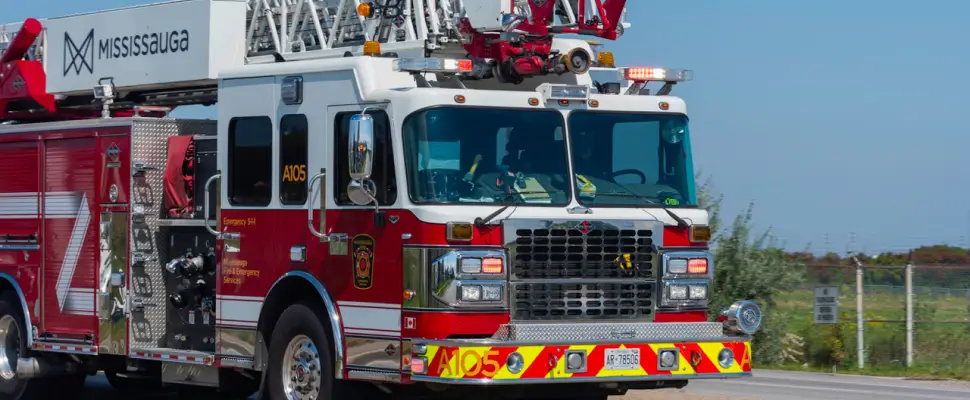
Water Leaks & Flooding
Common Causes
- Burst pipes
- Failed appliance hoses
- Overflowing tubs or toilets
What Residents Should Do
- Shut off your suite water valve immediately if the leak is from your unit
- Contact Security or Property Management immediately
- Move valuables away from water sources
Why Speed Matters
Water spreads vertically and horizontally. A single unattended leak can affect: – Multiple suites – Electrical systems – Elevators – Fire safety systems
Prompt reporting protects your neighbours and the building.
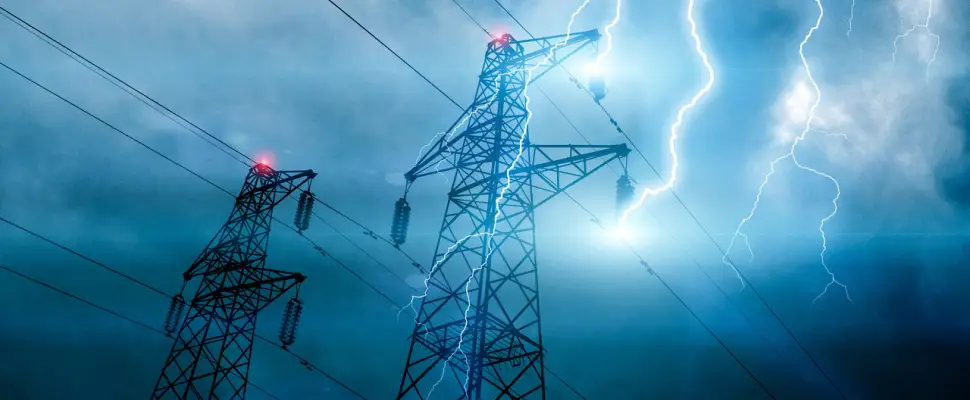
Power Failure & Emergency Generators
What Emergency Power Does (and Does Not) Do
Emergency generators are designed to support life safety, not comfort.
Typically powered: – Emergency lighting – Fire alarm systems – One elevator per tower (intermittent use) – Garage access systems.
Not typically powered: – In‑suite outlets – HVAC systems – Full lighting
Resident Tips
- Conserve phone battery
- Avoid opening refrigerators/freezers unnecessarily
- Have flashlights accessible (not phone‑dependent)
- Notify management in advance if you rely on powered medical devices
Elevator Entrapment
Important Reality Check
Being trapped in an elevator is rarely dangerous, but panic increases risk.
If You Are Trapped
- Stay calm
Press the emergency call button inside the elevator to speak with the monitoring station. (Emergency services should only be contacted if there is a medical emergency or an immediate safety concern)
Do not force doors open
- Do not attempt to exit without authorization
Security will coordinate elevator technicians and emergency responders.
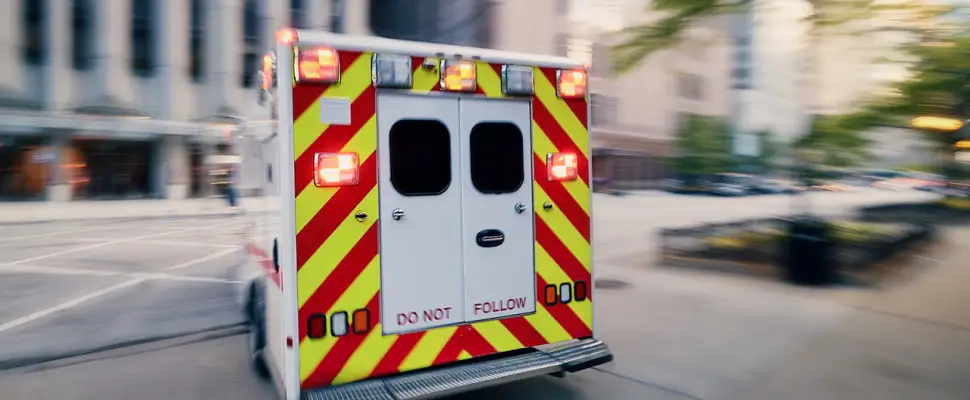
Medical Emergencies & Personal Injury
What Residents Should Do First
- Call 911 immediately
- Provide your exact suite number
- Notify Security after calling 911
Why Security Needs to Know
- They guide paramedics quickly
- They manage elevators and doors
- They reduce response time
Security personnel provide support, not medical treatment beyond basic first aid.
Earthquakes (Low Probability, High Impact)
- Stay inside
- Move away from windows
- DROP, COVER, HOLD
- After shaking stops, check for hazards
Do not evacuate unless instructed—stairs and exits may be compromised.

Severe Weather & Tornado Warnings
- Move to interior rooms
- Avoid windows and balconies
- Use lower levels if directed
- Monitor official alerts
Police‑Directed Lockdowns
What This Means
Lockdowns are directed by Police, not security or management.
Resident Actions
- Return to your suite immediately
- Lock doors
- Turn off lights
- Remain quiet
- Do not open doors until officially cleared
Security assists Police but does not override their instructions.

Working Together as One Community
Prepared residents create safer communities.
This guide reflects the Board’s commitment to transparency and Paragon’s commitment to professional, proactive condominium security.
Preparedness is not fear, it is confidence.
Frequently Asked Questions (FAQ)
Can I refuse to evacuate during a fire alarm?
If an evacuation is ordered by the Fire Department, residents are legally required to comply. Fire officials have authority under the Ontario Fire Code and emergency legislation.
If no evacuation order has been given, many modern high-rise buildings operate under a defend-in-place model. In those situations, remaining in your suite with doors closed is often the safest option unless conditions change.
Residents always retain personal choice, but refusing a lawful evacuation order may put yourself and first responders at risk.
Can security or management enter my unit during an emergency?
Yes, only under specific conditions.
Entry may occur when: – There is an active life-safety emergency (fire, flooding, medical emergency) – Water, smoke, or fire is impacting other suites or common areas – Emergency services request access
Entry is not for convenience or routine checks. Access is documented and performed in accordance with condominium bylaws and applicable legislation.
Why can’t security knock on every door during an emergency?
During emergencies, security must: – Remain available to emergency responders – Control access points – Monitor life-safety systems – Avoid entering unsafe conditions
Door-to-door checks are performed only when directed by Fire or Police, and only when conditions allow. Public address announcements are the safest and fastest way to communicate with all residents simultaneously.
Why am I told to stay in my unit during a fire alarm?
High-rise buildings are designed to contain fire and smoke within specific zones. Leaving a safe suite unnecessarily can expose residents to smoke-filled corridors or stairwells.
Unless the fire is in your unit or evacuation is ordered, staying put with doors closed often provides the highest level of protection.
Why can’t I use the elevator during a fire alarm or power outage?
Elevators may: – Automatically shut down – Be recalled for firefighter use – Stop between floors
Using elevators during these conditions can result in entrapment or exposure to smoke. Stairs are the safest option when evacuation is required.
What if I have mobility challenges or medical needs?
Residents with mobility limitations or medical dependencies should notify Property Management in advance so appropriate planning can occur.
Emergency responders are trained to assist, but advance awareness improves response time and coordination.
Why doesn’t the generator power my entire unit?
Emergency generators are designed for life safety systems, not full building operation. They prioritize: – Fire alarms – Emergency lighting – Limited elevator service
This ensures critical systems remain operational during outages.
Should I rely on security instead of calling 911?
No. Always call 911 first for fire, police, or medical emergencies.
After calling 911, notify security so they can:
- Guide responders
- Manage access
- Reduce response time
Security supports emergency services but does not replace them.
Can I leave the building during a lockdown?
No. Police-directed lockdowns require residents to remain secured until officially cleared.
Leaving or opening doors can compromise safety and interfere with police operations.
Can I silence the in-suite fire alarm during an emergency?
Some suites may have a built-in silence button that can be used only if there is no fire or smoke in your unit.
If your suite does not have this feature, the alarm cannot be silenced. Do not tamper with alarm devices.
Why is this information being provided?
Because informed residents make safer decisions.
This guide reflects the Board’s commitment to transparency and Paragon’s role as a professional, proactive partner in condominium safety.