
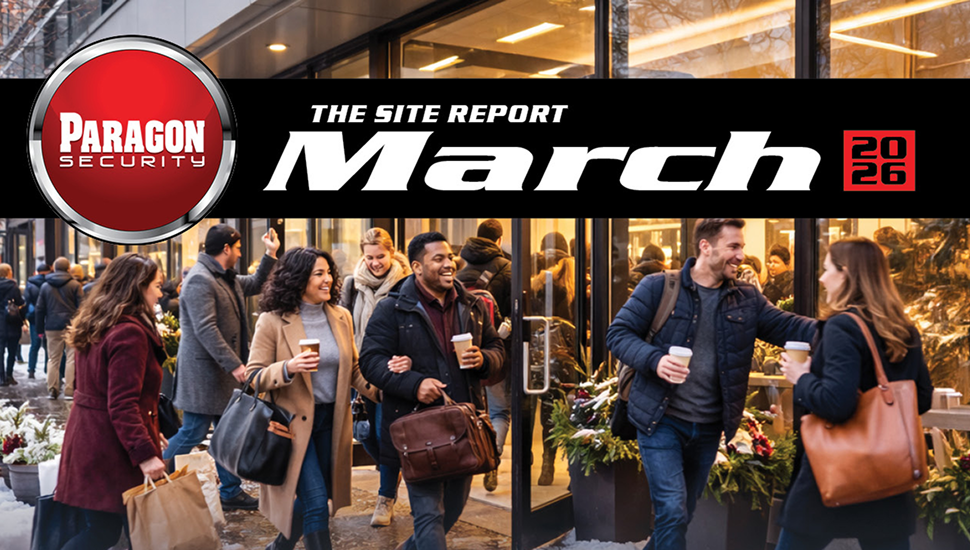
Professional Conduct During High-Traffic Events
March is consistently one of the busiest months for our sites. Increased mall traffic during March Break, seasonal events, and St. Patrick’s Day gatherings create a noticeable shift in activity levels. This means more foot traffic, more vehicle congestion, and a higher likelihood of disputes or policy violations.
During high-traffic periods, your visibility is one of the most effective deterrents we have. Maintain consistent patrol patterns, avoid extended static positioning unless required, and ensure entrances, exits, and parking areas receive regular attention. A professional posture and alert body language communicate control without escalation.
Alcohol-related disturbances and youth-related loitering complaints may increase this month. When addressing these situations, prioritize calm verbal engagement. Keep your tone neutral, provide clear direction, and avoid unnecessary confrontation. Creating space and slowing the pace of interaction often prevents escalation. If a situation exceeds site authority, follow established escalation procedures without delay.
Documentation becomes especially important during busy periods. Accurate timestamps, clear descriptions, and objective language protect you and the client. Avoid assumptions. Record observable behaviour and actions taken.
Finally, look out for one another. High-volume shifts can lead to fatigue and reduced situational awareness. Stay hydrated, take approved breaks, and communicate with your supervisor if conditions change.
Professionalism under pressure defines Paragon’s standard. Your consistency, presence, and sound judgment make the difference.
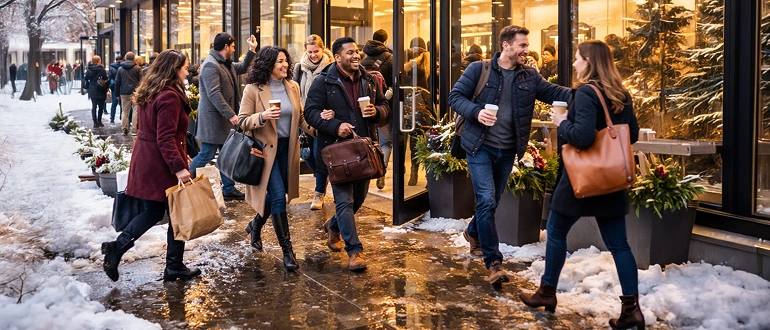
De-Escalation
Conflict is part of the job. How you respond determines whether a situation stabilizes or escalates. Effective de-escalation starts with empathy, intentionally putting yourself in the other person’s shoes. That does not mean agreeing with them. It means making a genuine effort to understand what is driving their behaviour.
Active listening is your first tool. In tense moments, most individuals want to feel heard. Let them speak. Avoid interrupting. Pay attention to tone, pace, and key concerns. Often, once someone has had the opportunity to vent, their emotional intensity decreases. Listening more than speaking gives you valuable information and demonstrates professionalism.
As you listen, begin formulating a response based on the key issues raised. Focus on facts and practical solutions. Ask yourself: Can I provide what they are requesting? Is there a reasonable compromise? Clear communication and calm problem solving can prevent minor complaints from turning into major incidents.
Throughout the interaction, continuously evaluate the situation — including your own actions. Consider your stance, facial expression, and body language. Are you appearing confrontational? Are you maintaining appropriate distance? Self-awareness is critical. At the same time, assess the subject’s behaviour. Is the risk increasing? Are there signs that assistance may be required?
De-escalation is not passive. It is deliberate, professional engagement designed to reduce risk. By prioritizing empathy, active listening, thoughtful response, and ongoing assessment, you protect yourself, your team, and the public while maintaining control of the environment.

St. Patrick’s Day – Please Don’t Drink and Drive
Every March 17th, St. Patrick’s Day is celebrated worldwide – people dress in green and shamrocks, attend lively parades and festivals, and consume large quantities of alcohol, usually green.
Before ordering that first slime-green coloured beverage, please ensure to have a plan for getting home. Uber, taxis, friends or relatives can all get you there in one piece. Enjoy the day – but we ask that you not Drink and Drive.
Let’s celebrate life – this is the one day when everyone is Irish

Slip and fall prevention
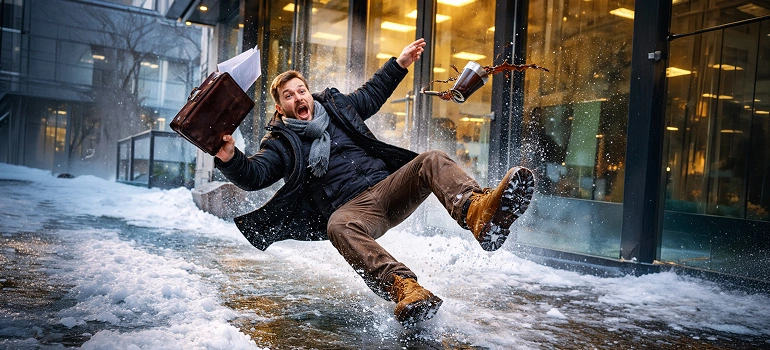
As a security guard, you spend more time on your feet than most workers. You patrol entrances, parking lots, stairwells, and exterior walkways, often in low light or severe weather. That makes slip and fall prevention a personal safety priority.
Most slips occur when traction is compromised. Wet floors, freshly mopped surfaces, loose mats, uneven pavement, and icy sidewalks are common hazards. In winter, freeze–thaw cycles create black ice that may be nearly invisible, especially during overnight shifts.
Start with footwear. Wear slip-resistant boots with winter-rated soles that provide traction on ice and snow. Replace worn footwear before tread depth becomes a hazard. If conditions are severe, consider ice traction aids.
Slow down during patrols. Rushing increases stride length and reduces balance. Take shorter steps, keep your centre of gravity slightly forward on icy surfaces, and use handrails on stairs. Avoid distractions such as mobile devices while walking.
Visually scan ahead during patrols. Identify untreated ice, pooled water, curled mats, or debris before stepping into the area. If you encounter a hazard, secure the area if possible and report it immediately according to site protocol. Early reporting helps prevent injuries to you and others.
When walking outdoors in winter, use cleared pathways. Avoid shortcuts across snow-covered surfaces where ice may be hidden underneath. Be especially cautious during temperature fluctuations around freezing.
Slip prevention is part of professional vigilance. By prioritizing proper footwear, controlled movement, and consistent hazard reporting, you reduce your risk of injury and demonstrate strong situational awareness—an essential trait in the security profession.
February Contest’s Winner :
Oghenekevwe Michael Tosu
Correct Responses for February
The following statements were the lies:
- Access Control Edition:
Leaving doors propped open is an acceptable practice if employees are in a hurry. - Password & Authentication Edition:
Using “Password123!” is considered a strong, secure password. - Facility Security Edition:
Unmarked emergency exits are ideal for deterring intruders. - Phishing & Social Engineering Edition:
Phishing emails always contain obvious spelling mistakes. - Emergency Preparedness Edition:
Evacuation drills are unnecessary if the building has CCTV coverage. - Social Media & Privacy Edition:
Private social media accounts are completely secure from hackers. - Physical Security Edition:
Biometric authentication systems are 100% foolproof. - Security Culture Edition:
Only security personnel need to be aware of security protocols.