A Life Saved At SquareOne
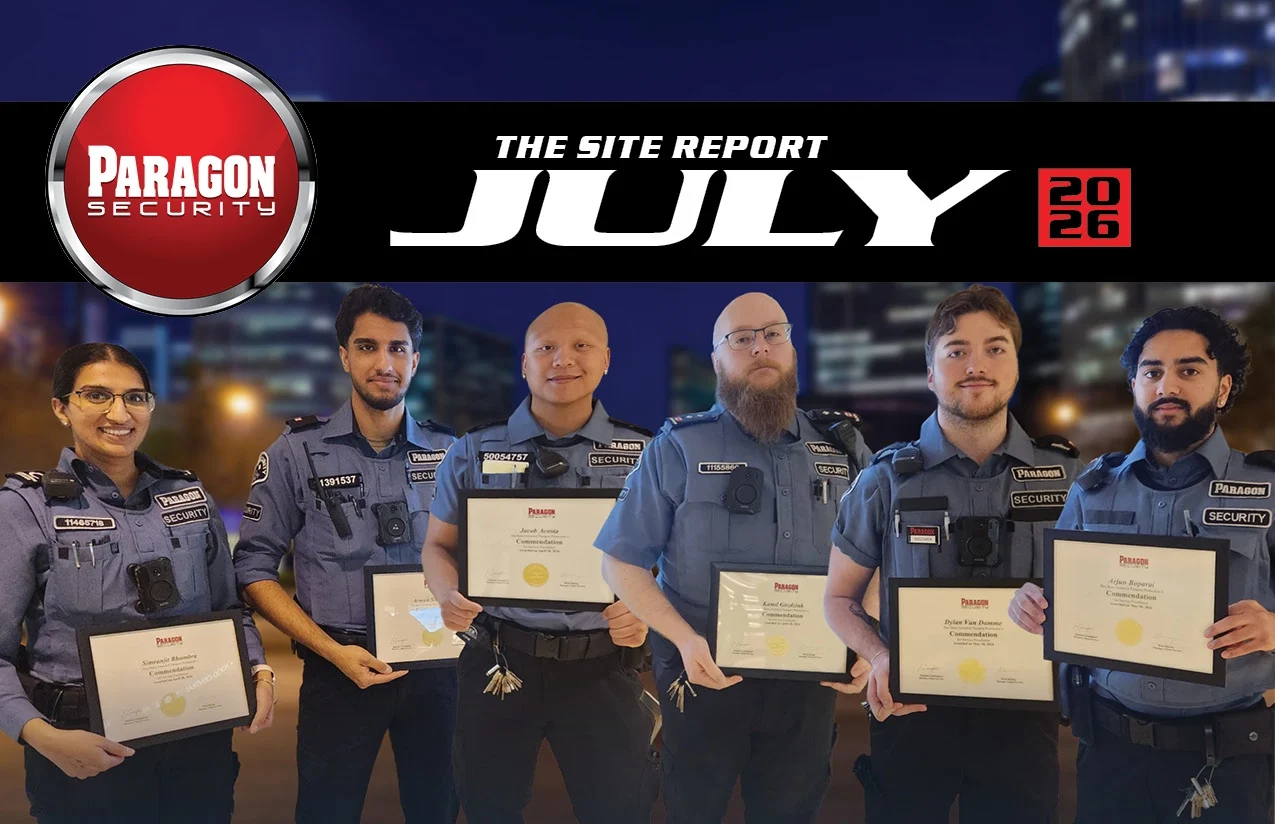
A recent incident at Square One demonstrated the professionalism, teamwork, and preparedness our officers bring to emergency situations.
Security was alerted by the Mississauga Fire Department regarding an unresponsive elderly male in the mall. Upon arrival, officers observed the individual lying on the ground and acted immediately.
Shift Supervisor Kamil Gozdziuk, Security Guards Simranjit Bhambra and Jacob Acosta began administering CPR and took control of the medical response. A defibrillator was also deployed in a timely and effective manner while the team awaited the arrival of Emergency Services.
At the same time, Security Guard Arman Gill coordinated with Emergency Services to support an organized response. Security Guards Dylan Van Damme and Arjun Boparai managed crowd control and helped maintain a safe environment for responders and members of the public.
The response highlighted the importance of teamwork during a critical incident. Each officer played a key role, whether by providing emergency medical assistance, supporting communications, or assisting with scene management. Their ability to remain calm and focused under pressure ensured that the individual received critical, life-saving care during crucial moments.
Emergency Services arrived onsite shortly thereafter and assumed care of the individual, who was then transported to hospital by Emergency Medical Services.
We recognize the team at Square One for their professionalism and commitment during this incident. Their actions reflect the high standards of service our teams deliver every day and demonstrate the impact that preparedness, collaboration, and decisive action can have during an emergency.
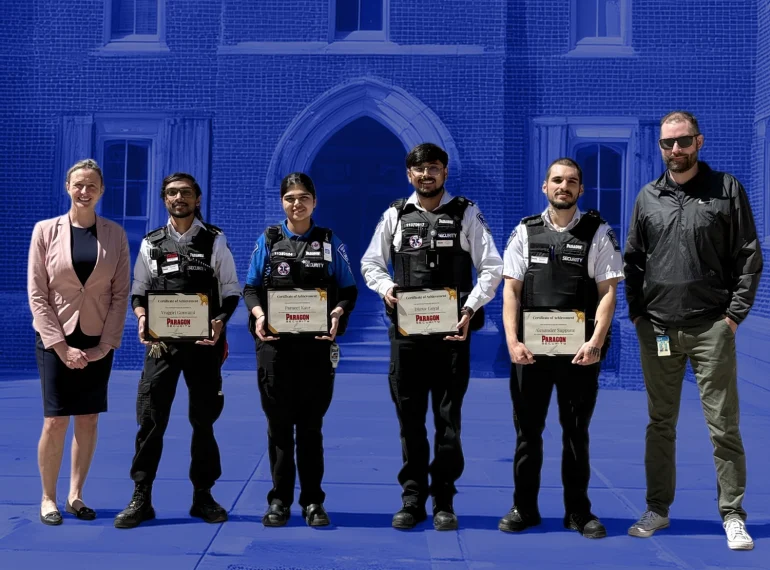
George Brown College Medical Response Success
As Toronto prepares to host FIFA-related events, security teams across the city may experience increased public activity, heavier traffic, larger crowds, and higher operational demands at many properties. These conditions may create additional health and safety considerations for guards working at both directly and indirectly affected sites.
Preparation before these events begin can help reduce operational risk and support safe working conditions throughout the event period.
All personnel should review site-specific health and safety procedures before each shift. Guards and supervisors should confirm they understand emergency response expectations, evacuation procedures, muster point locations, first aid resources, fire safety equipment locations, and emergency contact processes. Familiarity with building layouts, access routes, parking facilities, loading areas, and surrounding streets can also improve coordination during an incident and reduce delays for emergency responders.
Large public events often increase interactions with residents, visitors, contractors, delivery personnel, and members of the public. Guards may encounter individuals who are distressed, disoriented, emotionally charged, impaired, or attempting to access restricted areas. Increased foot traffic may also create congestion near entrances, exits, elevators, and common areas.
Maintaining a calm, respectful, and professional approach remains essential to workplace safety. Clear communication, patience, situational awareness, and effective de-escalation techniques can help reduce tension and support safer outcomes during difficult interactions.
Transportation disruptions should also be expected around some locations. Road closures, transit delays, traffic congestion, and restricted vehicle access may affect patrols, deliveries, shift changes, and emergency response times. Teams should remain aware of local traffic conditions and identify alternative access routes where possible, particularly at sites with underground parking, controlled entry points, or loading docks.
Communication readiness is another important part of event preparation. Staff should confirm that radios, phones, emergency contact lists, and reporting systems are updated, functional, and accessible before operations begin.
With increased international travel expected during FIFA-related activities, guards may also interact with visitors who speak different languages. Translation applications may assist with basic communication and help support a safe and positive experience for everyone on site.
By preparing early, supporting one another, and staying focused on health and safety priorities, teams can help create a secure and welcoming environment for clients, visitors, and fellow staff throughout FIFA-related activities. Every professional interaction and proactive decision contributes to a safer experience for everyone involved.
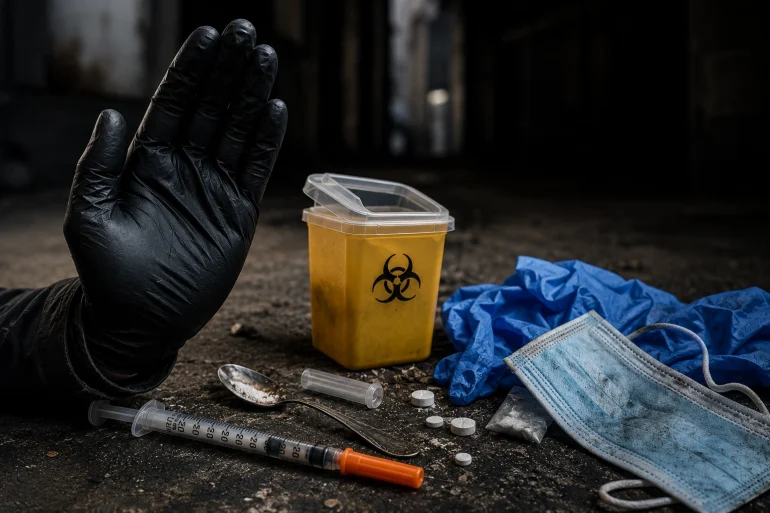
Needles, Sharps, Overdoses, and PPE: Protect Yourself First
Security guards may encounter discarded needles, other sharp objects, or individuals experiencing a medical emergency, including a suspected opioid overdose, while performing their duties. These situations can occur in a variety of settings and require a calm, professional response. Following safe procedures helps reduce the risk of injury, protects your health, and may help save a life.
If you discover a needle or other sharp object, do not touch, pick up, move, or attempt to dispose of it unless you have received specific training and authorization to do so. Needles and sharps can cause serious puncture injuries and may expose individuals to bloodborne illnesses. Any discarded sharp object should be treated as a potential hazard.
When a needle or sharp object is found, keep employees, visitors, clients, and members of the public away from the area whenever possible. Notify your supervisor or the appropriate site contact immediately so trained personnel can arrange for safe removal and disposal.
Security guards may also be among the first people to encounter someone experiencing a suspected opioid overdose. Common signs can include unconsciousness, difficulty waking the person, slow, irregular, or absent breathing, pinpoint pupils, and blue or grey lips or fingernails. If an overdose is suspected, call 911 immediately and follow site-specific emergency procedures.
Many of our sites and vehicles carry naloxone kits. Naloxone is a medication that can temporarily reverse the effects of an opioid overdose and help restore breathing. Guards who have received naloxone training (212 – Opioid Overdose Awareness and Response) should know where kits are located and understand how to use them properly. Naloxone is considered safe and will not harm a person if opioids are not present. However, it is not a substitute for emergency medical care, and emergency services must still respond after naloxone is administered.
Naloxone kits are available free of charge in Ontario through participating pharmacies, public health units, community health centres, hospitals, and harm reduction programs. No prescription is required, and individuals can obtain a kit whether they are at risk of an opioid overdose or may need to assist someone experiencing one. In addition, you may reach out to your Team Administrator who can have kits delivered to the site.
Personal protective equipment (PPE) is an essential part of responding safely to incidents involving sharps, bodily fluids, or medical emergencies. Whenever available, wear appropriate PPE before aiding. Depending on the situation, this may include disposable gloves, eye protection, masks, or other site-approved equipment. PPE helps reduce the risk of exposure to bodily fluids and other workplace hazards.
If appropriate PPE is not available, do not place yourself in a situation where exposure could occur. Instead, secure the area, maintain a safe distance, request assistance, and contact emergency services. Protecting your own safety is a critical part of an effective response.
Guards should also avoid touching their face, eyes, nose, or mouth while responding to an incident involving sharps, bodily fluids, or a suspected overdose. After the situation has been resolved, safely remove PPE and wash your hands thoroughly with soap and water as soon as possible. If soap and water are not immediately available, use an approved hand sanitizer until proper handwashing can be completed.
Every incident is unique, but the key principles remain the same: protect yourself first, use appropriate PPE, stay within your level of training, and request assistance when needed. When in doubt, secure the area, notify your supervisor, and contact emergency services. Taking these steps helps protect your health while supporting a safe and professional response for everyone involved.
If you would like a refresher on overdose response procedures, including the use of naloxone, please contact your Administrator to register for the Paragon SPOC Opioids course.
Last Month’s Contest Winner – Ken Njoroge
Correct Response for June: Guarding zones and defending goals well