
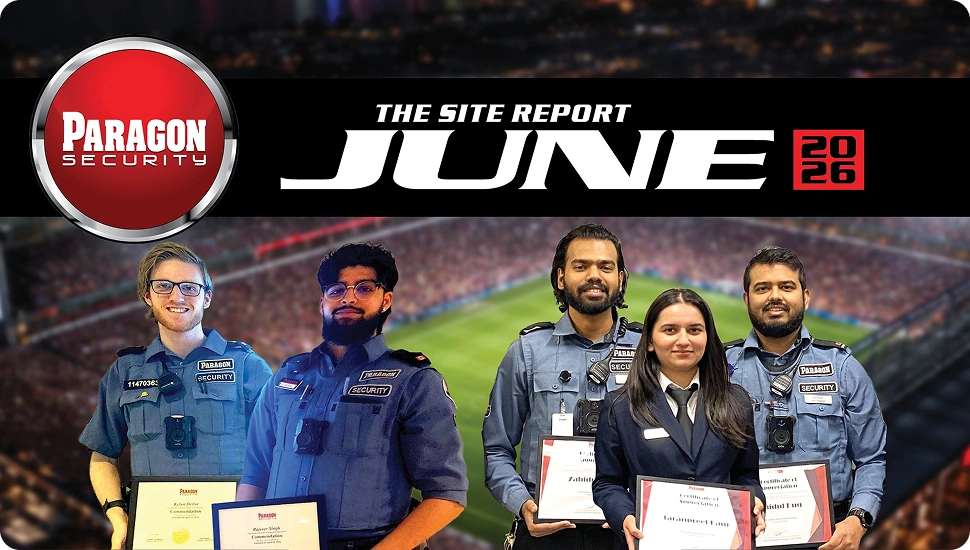
Heroes at Two Sites
Exceptional customer service is often defined by the moments that are never expected.
Recently, our team demonstrated remarkable compassion and professionalism while assisting two vulnerable individuals who required immediate support.
In one situation at Square One, security staff responded to an elderly gentleman who was struggling to make his scheduled Wheel-Trans pickup across the shopping centre. Because Wheel-Trans operates on a strict schedule, the team quickly stepped in and escorted him by wheelchair to ensure he arrived on time. The gentleman had become fatigued after attempting to cross the mall independently before security arrived. He expressed sincere gratitude for the help he received, reminding us how meaningful even a few minutes of support can be.
In another situation at WaterPark Place, the team encountered an individual requiring assistance who spoke very little English and was unable to provide contact information or an address. Despite significant communication barriers, staff remained patient and resourceful, using Google Translate and other available tools to assist him. Shift Supervisor Zahidul Huq personally escorted the gentleman to Union Station in hopes of helping him return to North York safely by transit.
When the individual later returned to the site, still unable to find assistance, the team continued their efforts without hesitation. Staff spent several hours contacting phone numbers found in his contacts, reaching out to local shelters, providing food and water, and ensuring he remained safe and cared for throughout the evening. Toronto Police Service was ultimately contacted, and the individual was safely transported to the hospital for further care.
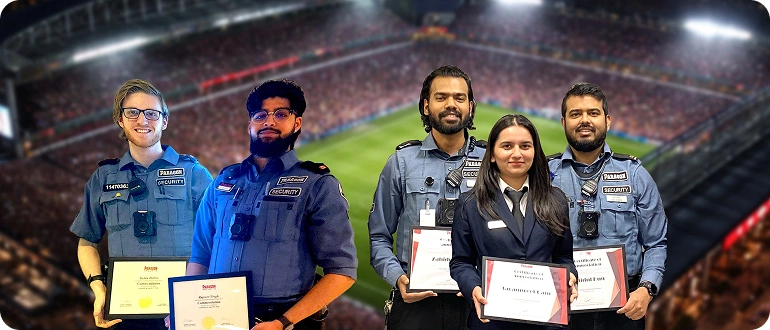
FIFA Health and Safety
As Toronto prepares to host FIFA-related events, security teams across the city may experience increased public activity, heavier traffic, larger crowds, and higher operational demands at many properties. These conditions may create additional health and safety considerations for guards working at both directly and indirectly affected sites.
Preparation before these events begin can help reduce operational risk and support safe working conditions throughout the event period.
All personnel should review site-specific health and safety procedures before each shift. Guards and supervisors should confirm they understand emergency response expectations, evacuation procedures, muster point locations, first aid resources, fire safety equipment locations, and emergency contact processes. Familiarity with building layouts, access routes, parking facilities, loading areas, and surrounding streets can also improve coordination during an incident and reduce delays for emergency responders.
Large public events often increase interactions with residents, visitors, contractors, delivery personnel, and members of the public. Guards may encounter individuals who are distressed, disoriented, emotionally charged, impaired, or attempting to access restricted areas. Increased foot traffic may also create congestion near entrances, exits, elevators, and common areas.
Maintaining a calm, respectful, and professional approach remains essential to workplace safety. Clear communication, patience, situational awareness, and effective de-escalation techniques can help reduce tension and support safer outcomes during difficult interactions.
Transportation disruptions should also be expected around some locations. Road closures, transit delays, traffic congestion, and restricted vehicle access may affect patrols, deliveries, shift changes, and emergency response times. Teams should remain aware of local traffic conditions and identify alternative access routes where possible, particularly at sites with underground parking, controlled entry points, or loading docks.
Communication readiness is another important part of event preparation. Staff should confirm that radios, phones, emergency contact lists, and reporting systems are updated, functional, and accessible before operations begin.
With increased international travel expected during FIFA-related activities, guards may also interact with visitors who speak different languages. Translation applications may assist with basic communication and help support a safe and positive experience for everyone on site.
By preparing early, supporting one another, and staying focused on health and safety priorities, teams can help create a secure and welcoming environment for clients, visitors, and fellow staff throughout FIFA-related activities. Every professional interaction and proactive decision contributes to a safer experience for everyone involved.

FIFA Training Program
As FIFA-related activity approaches, many properties may experience increased visitor volumes, greater public interaction, traffic disruptions, and elevated operational demands. Proper training and preparation will play an important role in supporting safe, professional, and consistent operations during this period.
To support frontline personnel, the FIFA Guard Training Program was developed for sites that may be directly or indirectly affected by FIFA-related events. The program reinforces operational expectations and highlights procedures guards and supervisors should review before deployment.
All personnel assigned to impacted locations are encouraged to revisit site-specific Standard Operating Procedures and emergency response protocols before arriving on shift. This includes reviewing response expectations for fires, medical emergencies, evacuations, suspicious packages, active threats, and structural incidents.
The training program also emphasizes the importance of understanding site layouts, surrounding streets, access routes, staging areas, and communication procedures. Familiarity with these details can improve coordination during incidents and support more efficient emergency response efforts.
Lockdown procedures should also be reviewed carefully, including both hard and soft lockdown protocols. Supervisors are encouraged to confirm that all personnel understand escalation procedures, reporting expectations, and communication responsibilities before operations begin.
Teams should also review the Incident Command Structure used at their site so that personnel clearly understand operational roles, responsibilities, and communication channels. Consistent training and clear expectations can help reduce confusion and improve coordination under pressure.
With larger crowds and increased public activity expected during FIFA-related events, guards may encounter more emotionally charged situations, conflicts, or disruptive behaviour. The FIFA Guard Program reinforces de-escalation strategies, professionalism, conflict resolution techniques, and effective communication practices to help personnel manage challenging situations appropriately.
Personnel should also recognize when additional support is required and understand the appropriate process for escalating concerns to supervisors, police, or emergency services.
The professionalism, preparation, and commitment demonstrated by security teams every day play an important role in supporting safe operations across the city. By continuing to train, communicate, and work together, personnel can approach FIFA-related activities with confidence while providing a positive and professional experience for everyone they encounter.
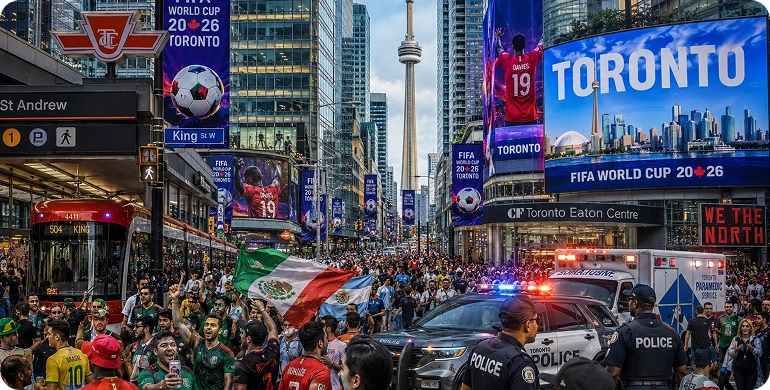
Heat stress
Outdoor security work can become dangerous during periods of extreme heat and humidity. Security guards often work long shifts in direct sunlight, poorly ventilated spaces, parking areas, construction sites, or near equipment that generates heat. Combined with physical activity, these conditions increase the risk of heat stress and related illnesses.
Heat stress can develop gradually or suddenly. Early symptoms may include muscle cramps, fatigue, excessive sweating, headache, nausea, dizziness, blurred vision, or confusion. If symptoms progress to hot, dry skin, fainting, seizures, vomiting, or loss of consciousness, seek emergency medical assistance immediately. Heat stroke is a medical emergency and can lead to permanent organ damage or death if left untreated.
Hydration is one of the best ways to reduce risk. Drink cool water regularly throughout your shift, even before you feel thirsty. Health experts recommend drinking small amounts frequently, about one cup every 20 minutes during hot conditions. Avoid alcohol, energy drinks, coffee, tea, and caffeinated soft drinks, which can contribute to dehydration.
Taking regular breaks also helps your body cool down. Whenever possible, move to shaded or air-conditioned areas, especially during the hottest parts of the day. Supervisors should rotate outdoor assignments when operationally possible to reduce prolonged heat exposure.
Clothing choices matter as well. Wear lightweight, light-coloured, loose-fitting clothing whenever uniform standards allow. Staying physically active year-round can also help your body better tolerate heat.
Finally, stay informed. Monitor weather forecasts and heat warnings, check in on coworkers regularly, and never ignore signs of heat illness. Protecting yourself from heat stress protects your health, your team, and your ability to work safely throughout the summer.
Last Month’s Contest Winner – Hardeep Kaur
Submit your answer by June 18th for your chance to win $100!