

Someone’s yelling at the concierge. A frustrated delivery driver refuses to move. A guest is wandering through staff-only areas. The situation is heating up, but the guard doesn’t escalate. They pause, breathe, speak clearly, and guide things back to neutral.
That’s control. And it has nothing to do with size or volume.
Security is often seen as a physical job, but the best guards lead with psychology, not posture.
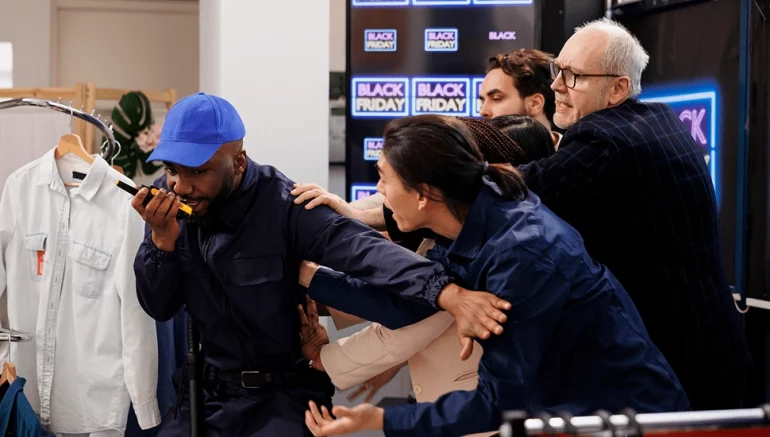
Physical Presence Still Matters
Let’s be real. The sight of a uniformed, alert, confident guard still has value. People behave differently when someone attentive is watching.
- Visibility deters problems before they start
- Posture and tone communicate calm authority
- Preparedness matters, guards should be fit, focused, and equipped
But physical presence alone isn’t enough. In fact, when used carelessly, it can make things worse.
When Guards Rely on Muscle, Not Mind
Without training on de-escalation and communication, here’s what happens:
- Tense situations turn into confrontations
- Residents or guests feel intimidated, not supported
- Incidents get physical when they didn’t need to
- Guards misread intentions, and overreact
- Liability goes up, confidence goes down
Force should be the last resort, not the default reaction. 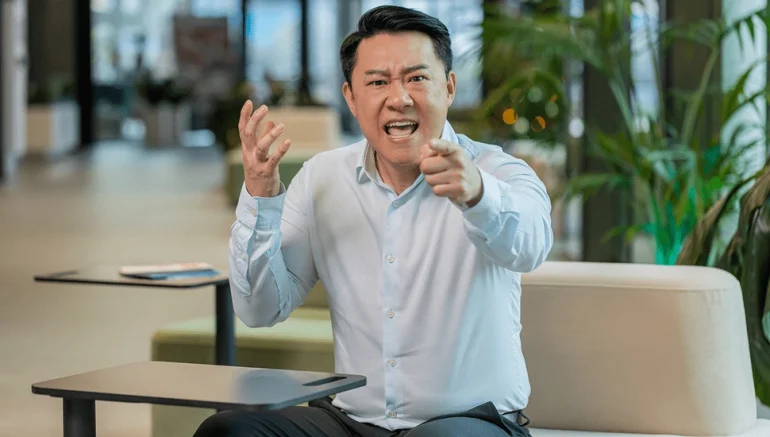
How Paragon Builds Smart Security
We train guards to handle pressure without raising theirs.
- Tactical communication training gives them the words before things go sideways
- De-escalation tactics are reviewed regularly, not just once during licensing
- Fitness standards are encouraged, but paired with emotional intelligence
- Field support helps guards work through difficult encounters, not just write them up
- Site pairings match guard strengths to the environment, because not every post needs a bouncer We believe presence should reassure, not intimidate
Let’s talk. If your security team is either underwhelming or overbearing, we’ll help you strike the balance between physical confidence and psychological control.