Life Saved
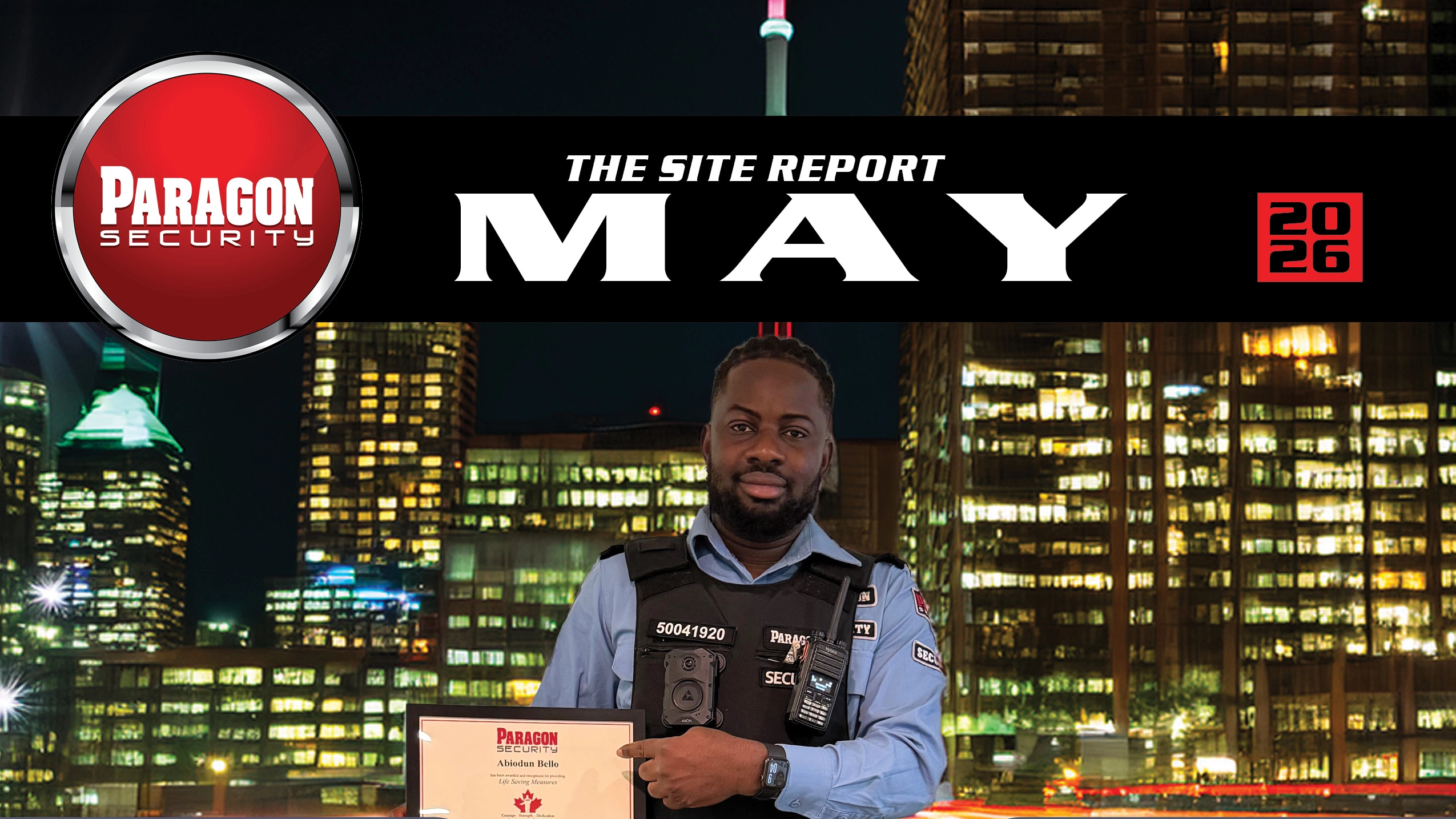
We are proud to share that Security Guard Abiodun Bello has been nominated for the Canadian Security Lifesaver Award in recognition of his decisive response during a medical emergency.
While assigned to 700 University Avenue, S/G Bello received notification of an unconscious individual in the food court. He responded immediately and arrived to find the individual unresponsive and exhibiting shallow breathing. Recognizing the seriousness of the situation, S/G Bello contacted 911 without delay to request emergency medical assistance.
While speaking with the 911 dispatcher, S/G Bello began performing chest compressions and kept an AED ready for use if required. He followed the dispatcher’s instructions closely and provided clear updates while continuing to administer aid. His steady approach, focus, and commitment to proper procedure supported continuous care during a critical period.
S/G Bello maintained chest compressions until Toronto Fire Services and paramedics arrived on scene. Once emergency personnel took over, he transferred care and provided relevant information about the situation. After assessment and treatment on site, paramedics stabilized the individual’s breathing and heart rate before transporting them to a hospital for further medical evaluation and treatment.
This incident highlights the importance of training, preparedness, and confidence in emergency response. S/G Bello’s actions reflect the professional standards we expect, and the dedication that defines strong security service. His nomination recognizes not only a single moment of action, but also the discipline and readiness that make effective response possible.
Moments like this reinforce the need to continue training; your mind and body, so that you are prepared for the unexpected. Run through scenarios while conducting patrols, work through situations with teammates and on your own, and review Post Orders regularly to stay sharp on procedures during emergencies.
Guards must ensure that their first aid certification remains up to date. This is a core responsibility, just like maintaining your security licence. Please contact your team administrator to schedule a class when your certification is nearing expiration.
Travel Safely
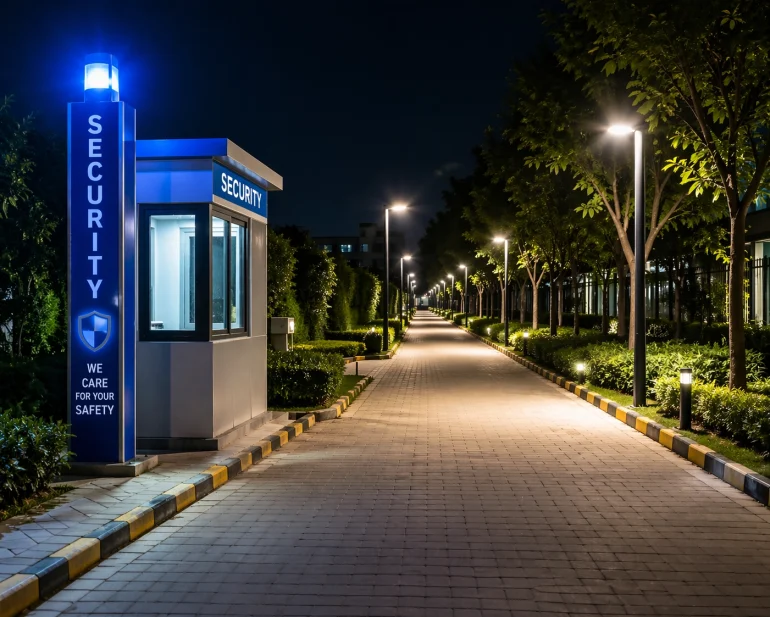
Security professionals regularly advise clients, tenants, and visitors to walk in well-lit areas and avoid shortcuts. These same habits are just as important for guards when commuting to and from work. Choosing visible, well-travelled routes helps reduce risk and improves personal safety, particularly during early morning or late-night shifts.
Whenever possible, use a buddy system when travelling to nearby bus stops or parking lots. Walking with another team member increases visibility and provides an added layer of support if a situation develops. Even short distances can present unexpected risks, especially in areas with limited lighting or low foot traffic.
Team awareness should continue throughout the shift. Security Operations Centres, dispatchers, and on-site teams play an important role in maintaining communication. Guards working exterior patrols should remain alert to areas where radio reception or camera coverage may be limited. If you are entering one of these areas, notify your team before proceeding and confirm once you return to a monitored zone.
Checking in with teammates does more than confirm safety. It reinforces teamwork, builds trust, and supports situational awareness across the site. When guards stay connected, they share information more effectively and respond faster to developing concerns.
Situational awareness is not limited to what happens during patrols. It begins the moment you leave home and continues until you return. Safe travel choices, consistent communication, and reliable teamwork all contribute to stronger outcomes.
Working as a team supports confidence, improves response readiness, and helps create a safer environment for everyone on site.
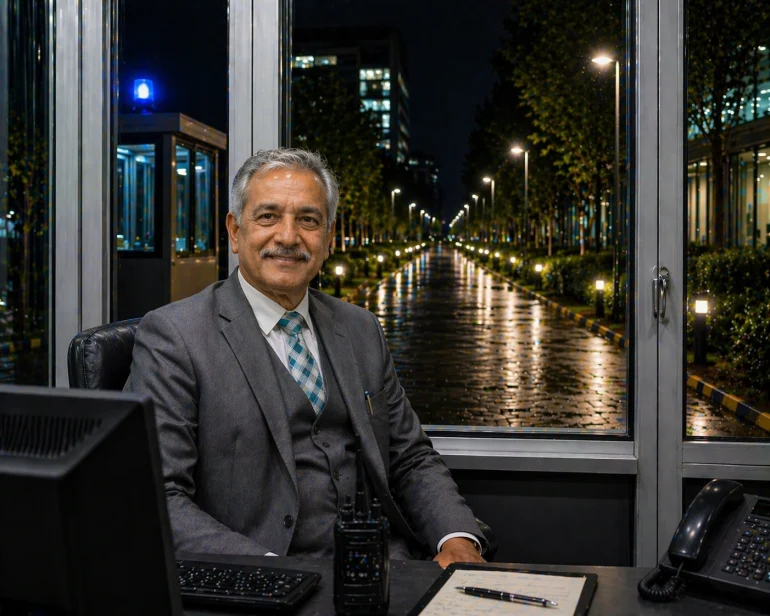
Working Alone
Working alone presents unique challenges that require strong awareness, consistent communication, and careful decision-making. Guards assigned to solo posts must rely on established procedures to maintain safety and keep support teams informed of their status throughout the shift.
IVR check-ins play an important role in your safety when working alone at a site. These scheduled check-ins confirm that you remain safe and actively monitoring your assignment. Missing a check-in will trigger follow-up actions by Dispatch, which allows supervisors to respond quickly if assistance is required. Following check-in schedules without delay helps ensure that support is available when needed.
Situational awareness is essential when working independently. Stay alert to changes in your surroundings, especially during patrols in low-traffic areas or locations with limited visibility. Avoid distractions that reduce your ability to recognize potential risks. If you encounter suspicious individuals or developing hazards, maintain distance and observe carefully before deciding on next steps.
If a situation appears dangerous, prioritize your safety. Contact mobile support, dispatch, or police as appropriate before approaching suspicious individuals. In some cases, the safest option may be to remain in a secure location while waiting for assistance.
Always follow established IVR instructions and reporting procedures. These systems exist to protect you and ensure timely response when concerns arise.
Working alone does not mean working without support. Consistent communication, awareness, and adherence to procedures help maintain safety and confidence throughout every shift.
IVR Phone numbers
416-498-3209
647-699-2110
1-877-244-8774 (If you are working at a site outside of the GTA)
March Contest’s Winner :
Chetan Bhalla
Correct Responses for April