

The concierge desk is staffed today, just not by anyone you’ve seen before. Yesterday’s guard is gone. The new one doesn’t know the delivery process, can’t pronounce half the tenant names, and spends most of their shift trying to log into the system.
Turnover isn’t the exception in security, it’s the norm.
 And pretending otherwise only makes things worse.
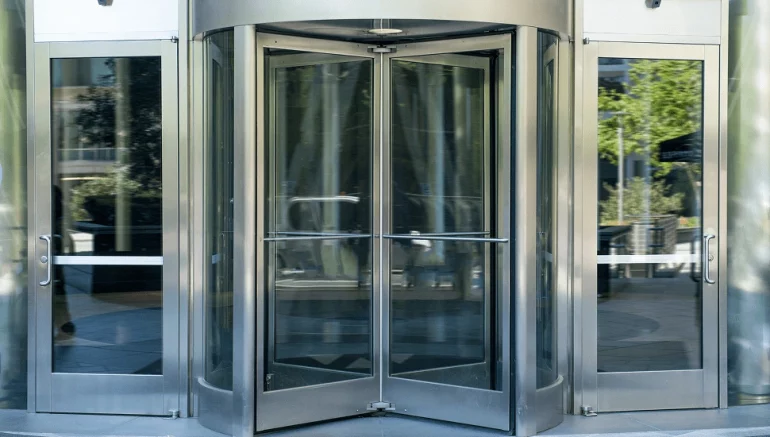
The issue isn’t that there’s a revolving door. The issue is how you manage what comes through it.
Turnover Is a Reality, Not a Failure
Security is a high-churn industry. Guards move on, move up, change schedules, or leave the field altogether. That’s not always a bad sign. In fact, in a strong system, it can mean new energy, growth, and upward mobility.
The problem starts when turnover is unmanaged. When there’s no plan for continuity, no support for transitions, and no consistency from shift to shift.
That’s when mistakes happen. That’s when tenants lose confidence. That’s when managers start doing the guard’s job.
How Turnover Shows Up at the Desk
When the revolving door spins too fast without structure, the symptoms show up everywhere:
- Every new guard learns the job from scratch
- Site knowledge is lost with every exit
- Clients constantly ask, “Who is this?”
- Guards feel unprepared and it shows
- Minor issues pile up because no one remembers the last shift
 This isn’t about one person leaving. It’s about systems that collapse when they do.
Paragon’s Approach: Prepared for Change
We’ve accepted turnover as a fact, but we’ve built an approach to keep performance consistent:
- Role-specific onboarding that happens before the guard takes post
- Regular site walkthroughs by mobile supervisors
- Direct manager support for first-week coaching
- Scheduling continuity so replacements are informed and experienced
- Client communication when staffing changes occur
We don’t promise zero turnover. We promise it won’t catch you off guard.Let’s connect. We’ll walk you through how we keep performance stable, even when the faces change.