Fast acting first aid
A recent medical emergency at Conestoga College demonstrated the importance of a rapid, coordinated Security response.
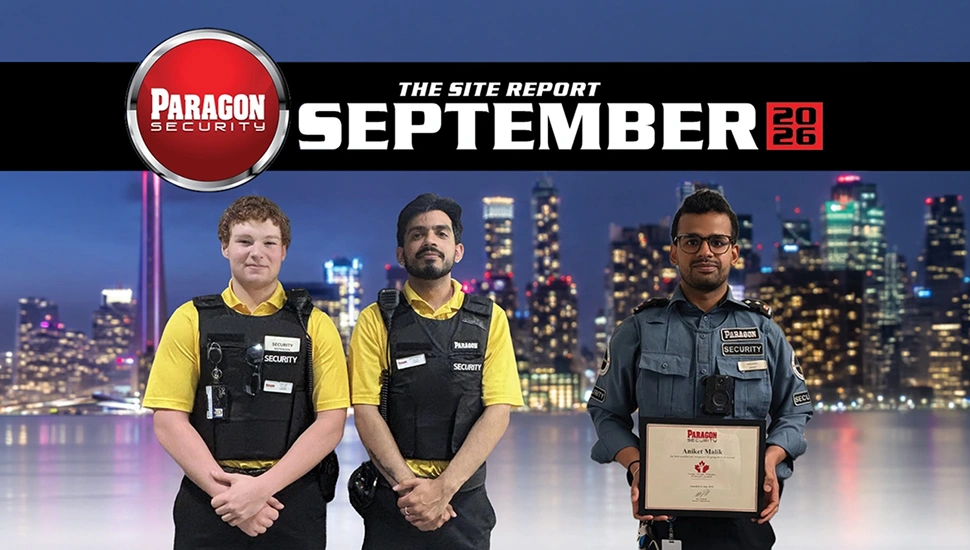
During a workshop, a student became unconscious and sustained a head injury after falling backward. Security personnel responded and immediately began providing first aid.
Team Lead Calum McMurtrie quickly assessed the situation and applied pressure to the student’s head wound, successfully controlling the bleeding while waiting for EMS to arrive. Security Guard Arshpreet Singh supported the response by managing the scene and providing crowd control. This helped ensure first responders would have safe, unobstructed access to the student.
Security dispatchers also played an important role in coordinating the response. EMS arrived within 15 minutes of the initial call and promptly transported the student to hospital for further assessment and treatment.
This incident is a strong example of how preparation, communication, and teamwork come together during an emergency. Each person involved had a specific role, and their coordinated efforts helped maintain a safe and organized response while the student received immediate care.
We commend T/L McMurtrie and S/G Singh for their professionalism and dedication. Their actions reflect the value of being prepared to respond quickly, communicate effectively, and work together when it matters most.
Every emergency is different, but the principles remain the same: respond quickly, assess the situation, support those who need help, and work together to provide a safe environment.
Compassion in a Crisis
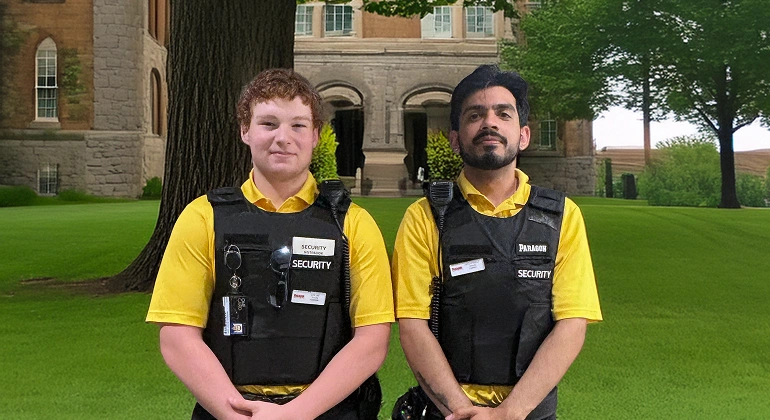
When someone is experiencing a mental health crisis, the way we respond can make a meaningful difference. Shift Supervisor Aniket Malik demonstrated this during a recent incident, showing compassion, patience, and professionalism while supporting an individual in crisis.
After responding to assist at the site, S/S Malik took the time to speak with an individual in crisis. He remained with the individual, engaged them in conversation, offered a cup of coffee, and provided reassurance and emotional support while waiting for the crisis team to arrive.
S/S Malik also recognized when the individual needed additional reassurance. At one point, he gave them a hug, helping provide comfort during a difficult situation. He remained with the individual until the crisis team arrived, except for briefly going upstairs to collect their belongings. During that time, he continued to monitor the situation and help maintain the safety of everyone involved.
While responding to emergencies is part of our role as security professionals, Aniket’s response went beyond simply managing the situation and waiting for emergency responders. He took the time to engage with the individual and provide support while maintaining a safe environment.
His approach demonstrated the importance of professionalism, patience, and respect when dealing with someone in crisis. These qualities can be particularly important during situations where a person may be distressed or vulnerable.
S/S Malik’s actions reflect the standards we strive to uphold as security professionals. He remained focused on the safety of everyone involved while also treating the individual with dignity and compassion.
Back-to-School Safety Starts Before the Bell
The return to school brings noticeable changes to many communities. Roads become busier, sidewalks fill with students, and parents, school buses, cyclists, and pedestrians all share the same spaces during busy morning and afternoon periods.
For security professionals, these changes may also affect the sites we protect. Depending on the location, you may see increased traffic, more young people moving through nearby areas, or changes to normal routines. Staying aware of these shifts can help you identify potential safety concerns and respond appropriately.
When driving, remain alert and adjust your speed to the conditions around you. Watch carefully for pedestrians, cyclists, school buses, and vehicles stopping or turning unexpectedly. Students may be distracted, running late, or focused on friends rather than traffic. Give yourself extra time and avoid making assumptions about what others will do.
At or near your site, pay attention to changes in pedestrian flow and areas where people may gather. Be particularly mindful when arriving for or leaving a shift, especially during busy school start and dismissal times.
Back-to-school safety also means considering the students, families, staff, and community members who may be present near our sites. A professional, respectful approach helps create a welcoming environment while supporting the safety expectations of the property.
Small actions can make a meaningful difference. Slow down. Stay focused. Watch your surroundings. Be patient when traffic or pedestrian activity increase and remain prepared for changing conditions.
As the school year begins, let us all do our part to help create safer spaces for the communities we serve, both on and off site.

Hazard Information is changing
Understanding Updated Hazard Information
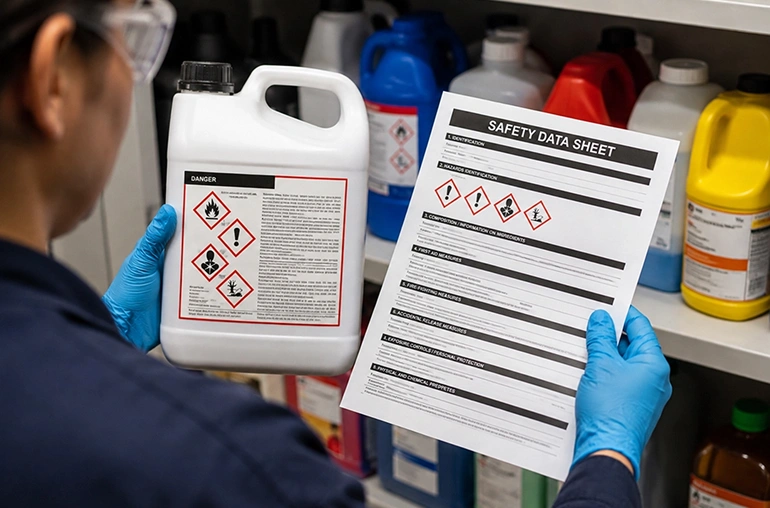
Recent amendments to Canada’s Hazardous Products Regulations have introduced updates to hazard classifications and the information provided on product labels and Material Safety Data Sheets (MSDS). As updated products enter the workplace, employees may notice changes to hazard information, warnings, and safety instructions.
So, what should you do?
Start with the label. Before using any hazardous product, read the label carefully. Look for pictograms, signal words such as “Danger” or “Warning,” hazard statements, and precautionary information. These details explain the hazard, how serious it may be, and the precautions to take. Do not assume a familiar product is safe simply because you have used it before. If a label is damaged, missing, or difficult to read, report it to your supervisor before using the product.
Review the MSDS. The label provides important information, but the MSDS provides additional details about hazards, safe handling and storage, appropriate personal protective equipment, first-aid measures, and what to do in the event of a spill, exposure, or other emergency. Know where to find MSDS, whether in the workplace or electronically, and review the relevant information when working with an unfamiliar product.
Pay attention to changes. Hazard information may change as new information becomes available or when labels and MSDS are updated. Stay aware of new or revised information and make sure you understand what has changed.
If you are unsure how to use, store, handle, or dispose of a hazardous product, stop and ask before proceeding. Speak with your supervisor, consult the MSDS, and follow established workplace procedures.
Ontario’s Ministry of Labour is currently conducting compliance activities focused on workplace hazardous materials information training and workers’ understanding of changes to labels and MSDS.
Remember: Hazard information is more than a training requirement. It is a tool to help you recognize hazards and work safely every day.